 by
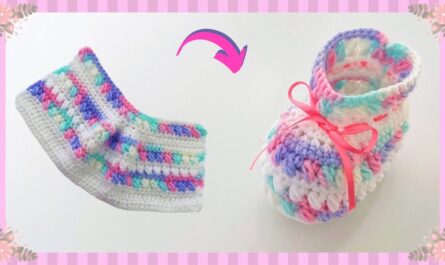
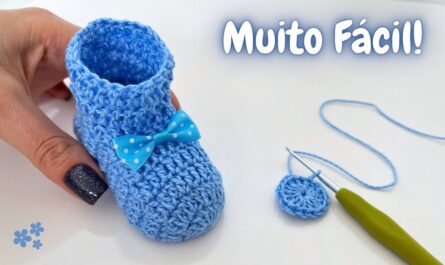
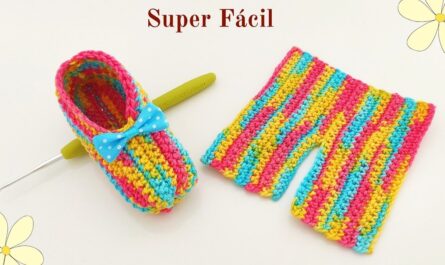
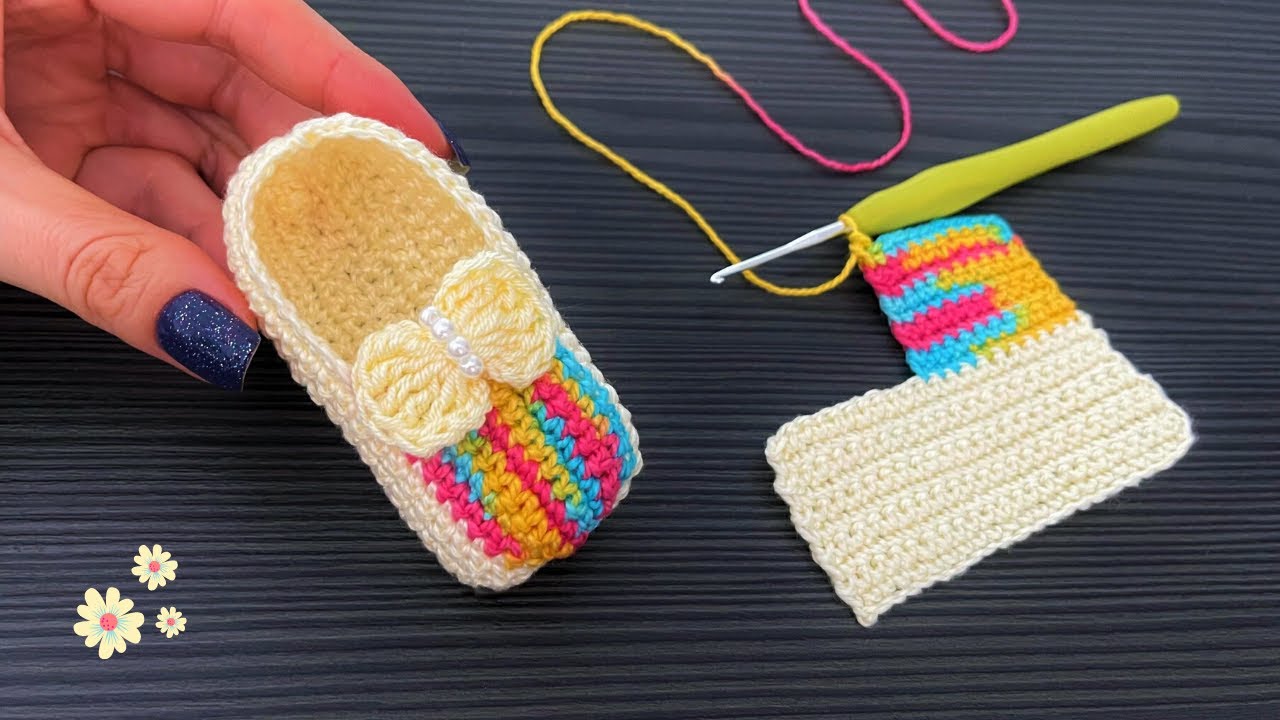
by Crocheting baby shoes (also called booties) is a delightful project for beginners and experienced crocheters alike. These handmade shoes are soft, cozy, and stylish, perfect for newborns, infants, and toddlers. With simple crochet techniques, you can create shoes that not only look adorable but are also practical for keeping tiny feet warm.
This long-form guide explains how to crochet baby shoes step by step, including materials, basic stitches, sizing, construction, and decorative options.

1. Understanding Baby Crochet Shoes
A crochet baby shoe typically has three main parts:
- Sole – forms the base that the baby’s foot rests on
- Upper or top – covers the top of the foot
- Cuff or strap – optional feature to keep the shoe secure on the ankle
Additional decorations, such as bows, flowers, or buttons, can make the shoes look unique and personalized.
There are several styles of baby shoes:
- Slip-on shoes – easy to put on and take off
- Booties – higher cuffs for warmth
- Mary Jane style – includes a strap across the foot
2. Materials and Tools Needed
Yarn
Choose a soft, baby-friendly yarn:
- Cotton yarn – soft, breathable, and washable
- Bamboo yarn – silky and gentle on sensitive skin
- Acrylic baby yarn – soft and durable
Weight: DK or light worsted yarn is ideal.
Colors: Pastels, bright colors, or multicolor yarns depending on your preference.
Crochet Hook
- Size 3.0 mm – 4.0 mm depending on yarn thickness
- Smaller hooks produce tighter stitches that hold shape
- Larger hooks create looser, softer shoes
Additional Tools
- Yarn needle – for weaving in ends
- Scissors
- Stitch markers – optional
- Buttons or beads – optional for decoration
3. Basic Crochet Stitches Required
Even beginners can make baby shoes using the following stitches:
- Slip knot – starting point
- Chain (ch) – foundation stitch
- Single crochet (sc) – firm stitches for soles and sides
- Half double crochet (hdc) – for slightly taller stitches
- Double crochet (dc) – optional for decorative top
- Slip stitch (sl st) – joining rounds or finishing
- Increase (inc) – two stitches in one stitch to widen the sole
- Decrease (dec) – combine two stitches for shaping
4. Step 1: Measure the Baby’s Foot
Before crocheting, determine the size:
| Age | Foot Length (approx.) |
|---|---|
| Newborn | 3.5 inches (9 cm) |
| 0–3 months | 3.75 inches (9.5 cm) |
| 3–6 months | 4 inches (10 cm) |
| 6–12 months | 4.5 inches (11.5 cm) |
- Use this measurement to adjust the length of the sole chain.
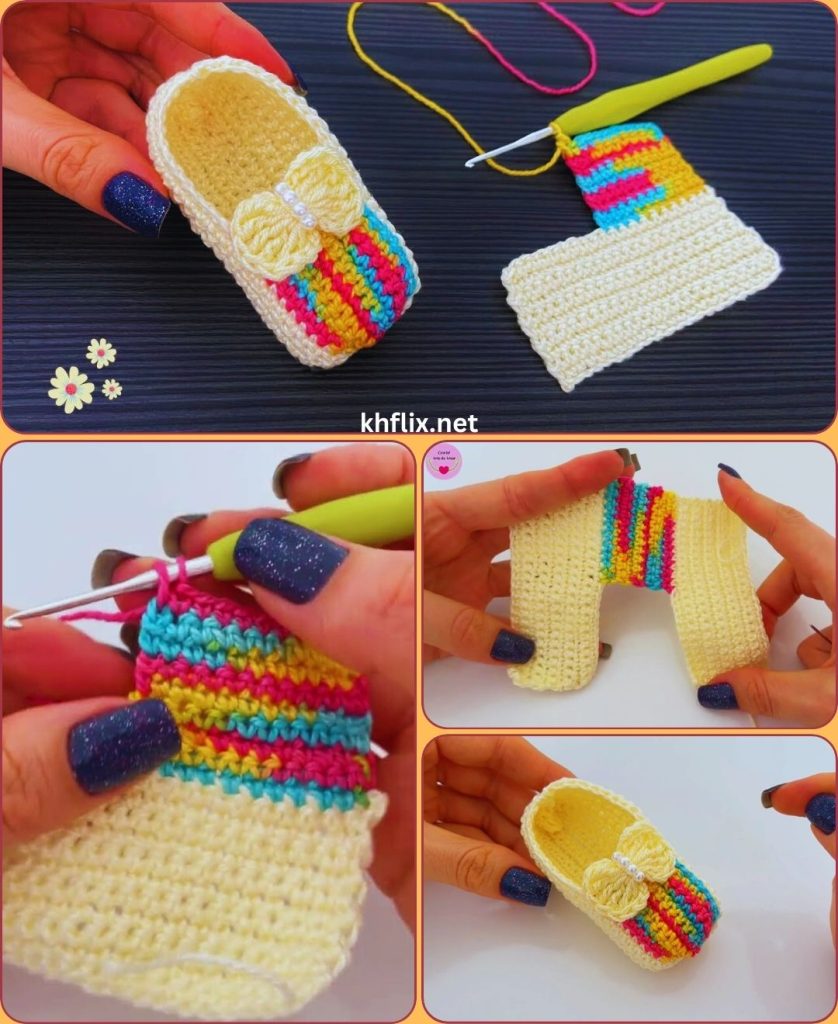
5. Step 2: Crochet the Sole
- Make a slip knot.
- Chain the number of stitches needed for the shoe length (e.g., 12–15 for newborn size).
- Work single crochet stitches along the chain.
- At the end of the chain, make 3–5 single crochets in the last chain to round the tip.
- Continue along the other side of the chain.
- Make the same increases at the starting end to round the heel.
- Join with a slip stitch to complete the round.
- The sole should be an oval shape matching the baby’s foot length.
6. Step 3: Crochet the Upper Part
The upper forms the top of the foot:
- Attach yarn to the back of the sole.
- Chain 1 or 2 depending on your stitch choice.
- Work single crochet stitches around the top edge of the sole.
- Continue along the sides but stop at the front to leave a foot opening.
- Gradually increase stitches at the toe area to allow room for the foot.
7. Step 4: Shape the Toe (Optional)
For a rounded toe:
- Work decrease stitches (sc2tog) evenly along the front of the shoe until it rounds naturally.
For a flat toe:
- Simply continue single crochet stitches around without decreasing.
8. Step 5: Crochet the Cuff or Strap
The cuff or strap keeps the shoe secure:
Option A: Cuff
- Continue working single or half double crochet stitches upward from the ankle edge.
- Work 3–5 rows for a taller bootie.
Option B: Strap
- Chain 10–15 stitches from one side of the foot opening.
- Attach to the opposite side with a button or slip stitch.
- Ensure the strap is snug but comfortable.
9. Step 6: Finishing the Shoe
- Weave in all yarn ends neatly using a yarn needle.
- Shape the shoe gently with your hands.
- Add decorative elements, such as a small crochet bow, flower, or bead.
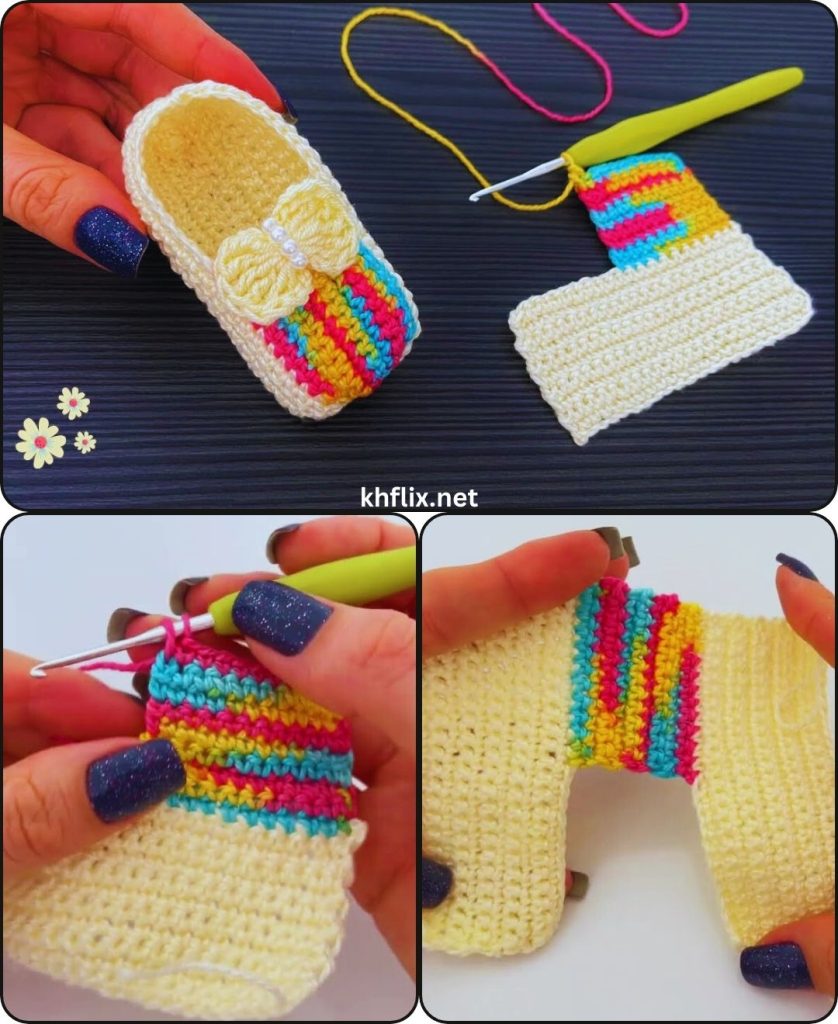
10. Step 7: Make the Second Shoe
- Repeat all steps to create the second shoe.
- Make sure it mirrors the first shoe so the pair matches perfectly.
11. Variations of Baby Shoes
- Slip-on Booties – no strap, easy to wear.
- Mary Jane Shoes – strap across the top with a button.
- Animal Shoes – add ears, tails, or eyes for fun designs.
- Flower Embellished Shoes – small crochet flowers on top.
- Two-tone Shoes – different colors for sole, upper, and cuff.
12. Tips for Perfect Baby Shoes
- Use soft yarn to protect delicate skin.
- Work tight stitches for the sole to maintain shape.
- Check shoe size regularly using standard measurements.
- Adjust strap length for comfort and security.
- Shape shoes gently with fingers after finishing.
13. Benefits of Crochet Baby Shoes
- Handmade and personalized gift
- Keeps baby’s feet warm and cozy
- Beginner-friendly crochet project
- Small, quick to complete
- Eco-friendly and reusable
- Can be customized with colors and decorations
14. Care and Maintenance
- Hand wash or machine wash gently in cold water.
- Air dry to maintain shape.
- Avoid harsh detergents or bleach.
- Reshape shoes after washing if necessary.
15. Conclusion
Crocheting baby shoes is a fun, practical, and creative project suitable for beginners and advanced crocheters. By making the sole, upper, and cuff or strap, you can create a cozy, adorable pair of shoes that perfectly fits a newborn or infant.
With creativity, you can add flowers, bows, or animal designs to make each pair unique. These handmade shoes are perfect for gifts, baby showers, or personal use, and they make beautiful keepsakes that parents and babies will love. 👶🧶
If you want, I can also create a step-by-step visual diagram showing each stage of the baby shoe – from sole to strap – which makes it much easier to follow, especially for beginners.
Do you want me to create that visual guide?