 by
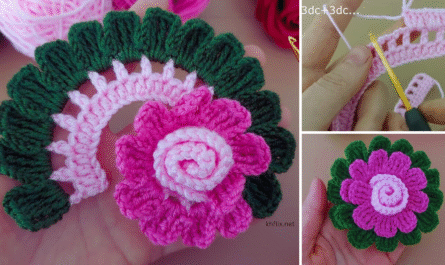
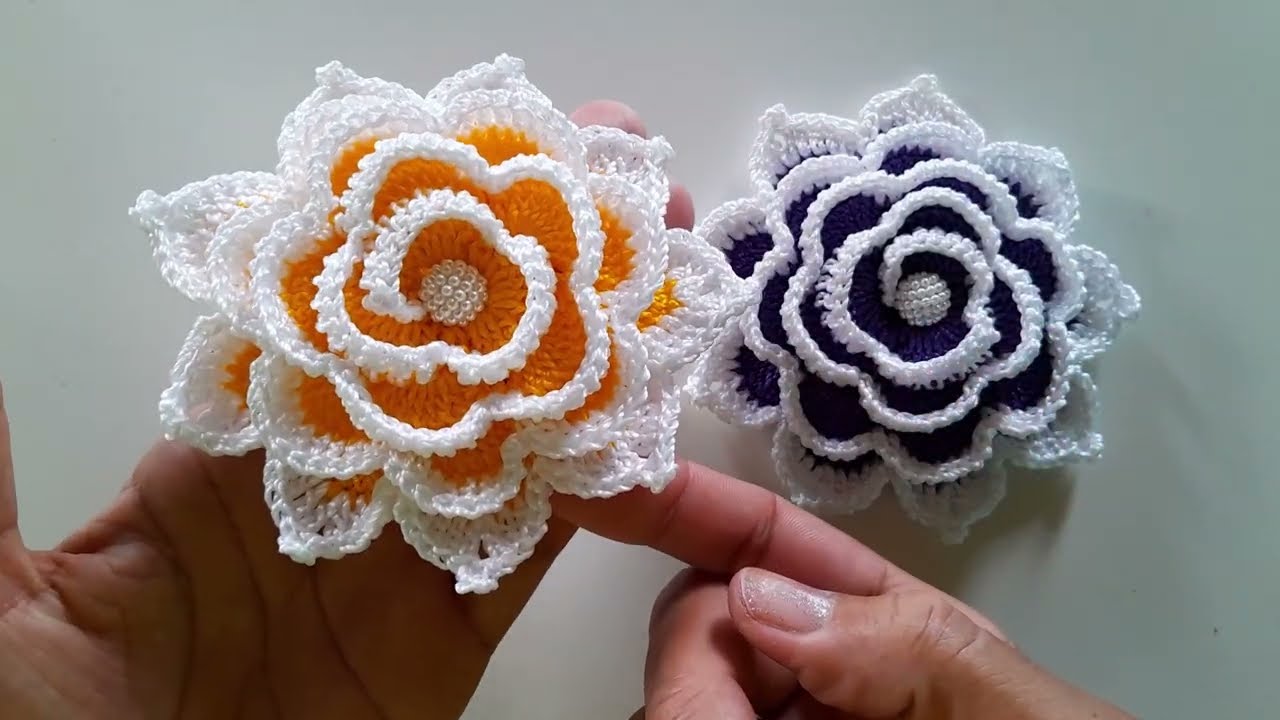
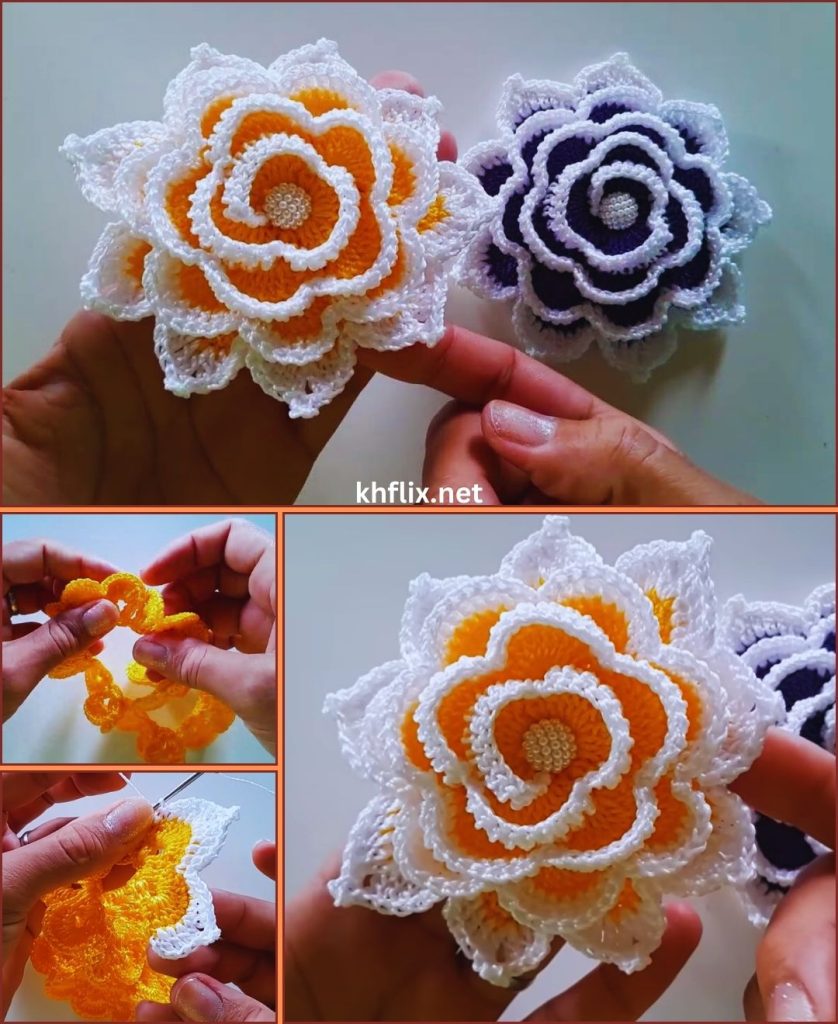
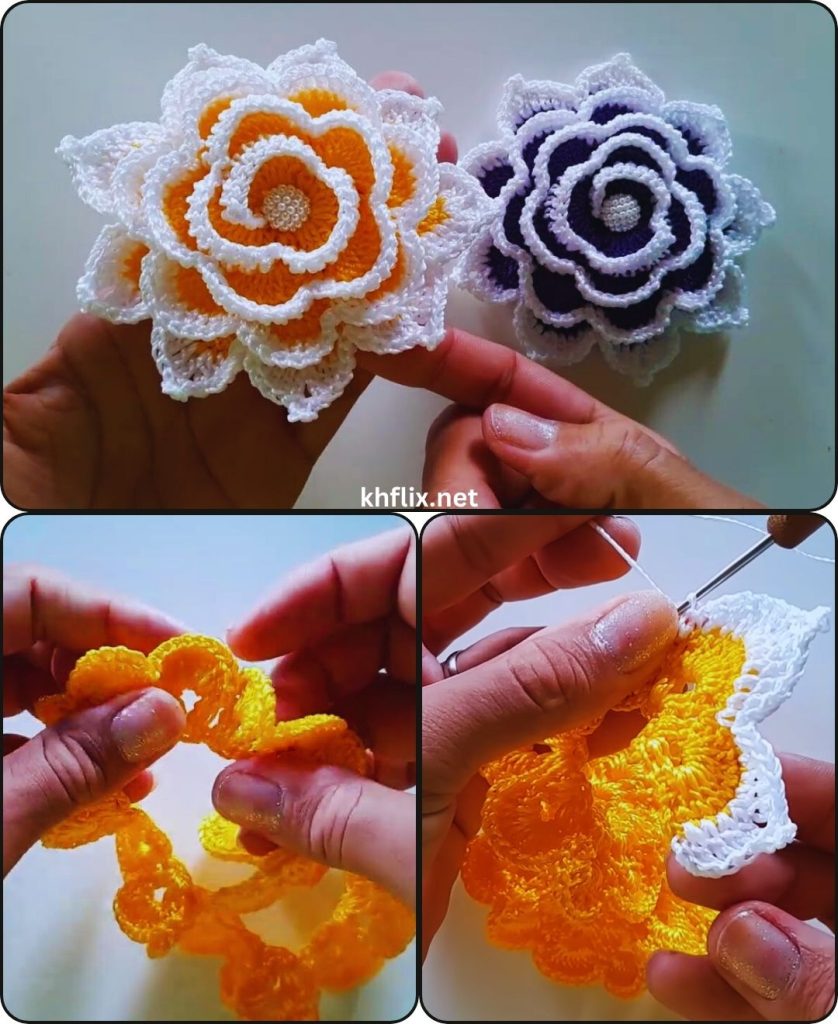
by Crocheting a two-color rolled rose is a beautiful and creative crochet technique that produces a realistic, layered flower. The combination of two yarn colors makes the rose look more detailed and visually appealing compared to a single-color crochet rose. This method is especially popular among crocheters who enjoy making decorative flowers for accessories, clothing, and home decoration.
A rolled crochet rose is typically made by crocheting a long strip of stitches, forming petal shapes along the strip, and then rolling the strip into a spiral to create the flower. Using two colors enhances the contrast between the petals and the base of the flower, giving it a more natural appearance.
Crocheted roses can be used in many ways. They are commonly attached to hats, scarves, handbags, blankets, hair accessories, brooches, pillow covers, and even handmade bouquets. Because they are quick to make and require only a small amount of yarn, crochet roses are an excellent project for beginners and experienced crocheters alike.
This detailed guide explains how to crochet a rolled rose with two colors step by step, including materials, stitches, techniques, and finishing methods.
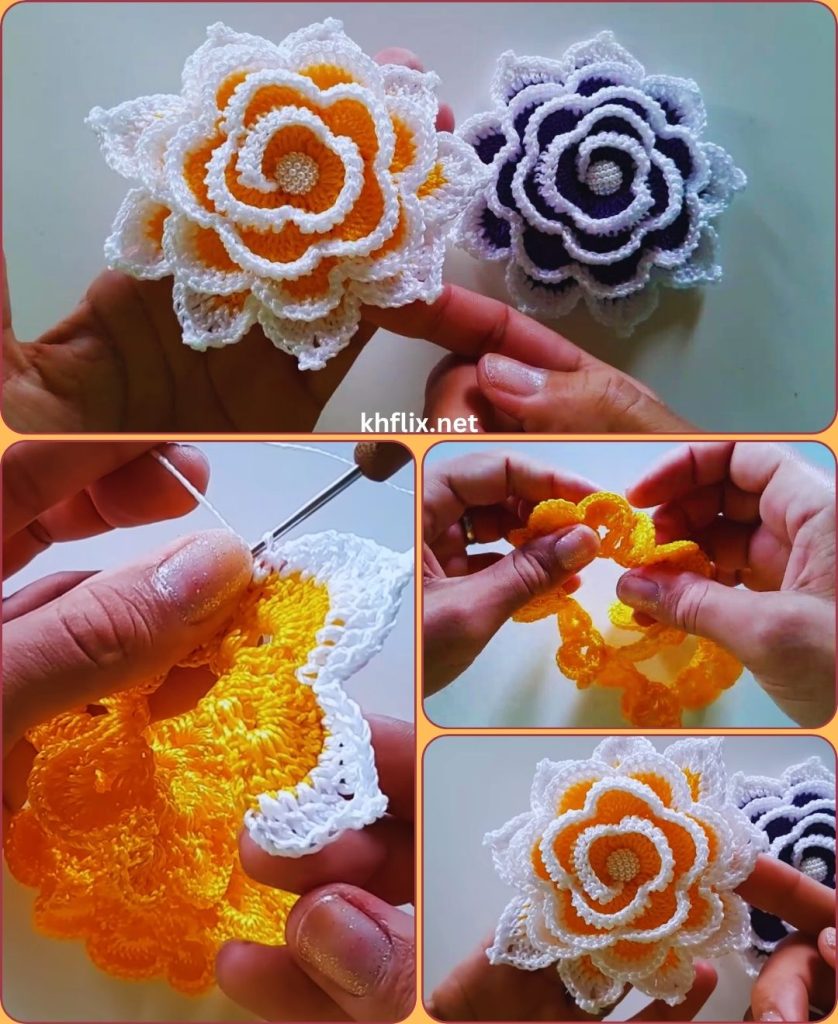
1. Understanding the Two-Color Rolled Crochet Rose
A two-color rolled crochet rose is constructed using two yarn colors that serve different decorative purposes.
Typically:
- Color A is used for the foundation row or base of the rose.
- Color B is used to crochet the petals.
When the strip is rolled into shape, the two colors blend together to form layered petals that resemble a natural rose.
The rose usually consists of three parts:
- Foundation strip – the base chain and first row
- Petal stitches – decorative stitches that form the petals
- Rolled flower structure – created by rolling and stitching the strip
2. Materials and Tools Needed
Before beginning the project, gather all the necessary materials.
Yarn
You will need two yarn colors.
Examples of attractive combinations include:
- Dark red and light pink
- White and red
- Pink and cream
- Purple and lavender
- Yellow and orange
The contrast between the two colors helps highlight the petal edges.
Recommended yarn types:
- Cotton yarn
- Acrylic yarn
- Bamboo yarn
- Soft wool yarn
Cotton yarn is often preferred because it provides good stitch definition and helps the rose maintain its shape.
Crochet Hook
Choose a hook that suits the thickness of the yarn.
Common hook sizes include:
- 3.5 mm
- 4.0 mm
- 4.5 mm
- 5.0 mm
A slightly smaller hook helps create tighter stitches, which makes the petals more structured.
Additional Tools
You will also need:
- Yarn needle
- Scissors
- Stitch marker (optional)
- Fabric glue (optional for securing the rose)
These tools help with assembly and finishing.
3. Basic Crochet Stitches Required
This project uses several simple crochet stitches.
Slip Knot
The slip knot is the starting point for crochet.
Steps:
- Make a loop with the yarn.
- Pull the working yarn through the loop.
- Place the loop onto the crochet hook and tighten gently.
Chain Stitch (ch)
The chain stitch creates the foundation of the crochet strip.
Steps:
- Yarn over the hook.
- Pull the yarn through the loop on the hook.
Repeat to form a chain.
Single Crochet (sc)
Single crochet creates firm stitches.
Steps:
- Insert hook into stitch.
- Yarn over and pull through.
- Yarn over again and pull through both loops.
Half Double Crochet (hdc)
Half double crochet provides medium height.
Steps:
- Yarn over.
- Insert hook into stitch.
- Yarn over and pull through.
- Yarn over and pull through all three loops.
Double Crochet (dc)
Double crochet stitches are used to create the petals.
Steps:
- Yarn over.
- Insert hook into stitch.
- Yarn over and pull through.
- Yarn over and pull through two loops.
- Yarn over and pull through remaining two loops.
Slip Stitch (sl st)
Slip stitches are used for joining and finishing.
4. Step 1: Make the Foundation Chain
Begin with Color A.
Steps:
- Make a slip knot.
- Chain 50 stitches.
The chain length determines the size of the rose.
- 40 chains create a small rose
- 50–60 chains create a medium rose
- 70 chains create a large rose
5. Step 2: Crochet the Base Row
Continue using Color A.
Steps:
- Skip the first chain from the hook.
- Make single crochet in each stitch across the chain.
This row forms a strong foundation for the petals.
Once finished, fasten off Color A.
6. Step 3: Attach the Second Color
Now introduce Color B, which will form the petals.
Steps:
- Insert the hook into the first stitch of the base row.
- Pull Color B through the stitch.
- Chain 3 stitches (counts as the first double crochet).
7. Step 4: Create the Petal Pattern
The petals are formed by working multiple stitches into the same space.
Petal pattern:
- In the same stitch, crochet:
- 2 double crochet
- 1 half double crochet
- 1 single crochet
- Skip the next stitch.
- In the following stitch, repeat the petal pattern.
Continue repeating across the row.
Each group of stitches forms one petal.
As you crochet, the strip will start to curl slightly, which helps create the rose shape later.
8. Step 5: Finish the Crochet Strip
When you reach the end of the row:
- Cut the yarn, leaving a long tail.
- Pull the yarn through the final loop.
- Tighten gently.
You now have a decorative crochet strip with two-color petals.
9. Step 6: Roll the Rose
This step transforms the strip into a flower.
Steps:
- Start rolling the strip from one end.
- Roll tightly at first to form the center bud.
- Continue wrapping the strip around the center.
- Slightly loosen the outer layers to create larger petals.
The petals naturally form a spiral, creating the rose shape.
10. Step 7: Sew the Base of the Rose
To secure the flower:
- Thread the yarn tail into a yarn needle.
- Stitch through the bottom layers of the rolled rose.
- Wrap the yarn around the base several times.
- Pull tightly and tie a knot.
This keeps the rose firmly in place.
11. Step 8: Adjust the Petals
After sewing:
- Spread the outer petals slightly.
- Adjust the layers to create a natural flower appearance.
- Shape the rose gently with your fingers.
12. Step 9: Add Crochet Leaves (Optional)
Leaves add a realistic touch to the rose.
Simple leaf pattern:
- Chain 10 stitches.
- Single crochet in the second chain.
- Half double crochet in the next stitches.
- Double crochet in the middle.
- Mirror the stitches on the other side.
Attach the leaf to the back of the rose.
13. Creative Uses for Two-Color Crochet Roses
Crochet roses can be used in many projects.
Clothing Decoration
Attach roses to:
- Hats
- Sweaters
- Jackets
- Scarves
Accessories
Use roses to create:
- Hair clips
- Brooches
- Headbands
- Bracelets
Home Decoration
Crochet roses can decorate:
- Cushion covers
- Blankets
- Table runners
- Curtains
Gift Decoration
Attach roses to:
- Gift boxes
- Greeting cards
- Handmade bags
Crochet Bouquets
Combine multiple roses to make a decorative bouquet.
14. Tips for Making Beautiful Two-Color Roses
These tips help improve your crochet roses.
Choose Harmonious Colors
Colors that complement each other create elegant flowers.
Maintain Even Tension
Consistent tension produces uniform petals.
Use Soft Yarn
Soft yarn helps petals curl naturally.
Practice Rolling Technique
Rolling correctly helps create realistic rose shapes.
15. Benefits of Crocheting Two-Color Roses
Crochet roses have many advantages.
- Quick and easy project
- Beginner-friendly technique
- Uses small amounts of yarn
- Beautiful decorative result
- Perfect handmade gifts
- Suitable for many craft projects
They are also popular products at craft markets and handmade shops.
Conclusion
Crocheting a two-color rolled rose is a simple yet elegant crochet project that transforms yarn into a beautiful handmade flower. By creating a foundation chain, crocheting a base row, adding decorative petal stitches with a second color, and rolling the strip into shape, you can easily produce realistic and attractive roses.
The use of two colors adds depth and contrast, making the flower more visually appealing. With practice, you can experiment with different yarn combinations, petal styles, and rose sizes to create a wide variety of crochet roses.
These handmade roses can be used to decorate clothing, accessories, home décor items, or even to create crochet bouquets, making them a versatile and enjoyable craft project for crocheters of all skill levels. 🌹