 by
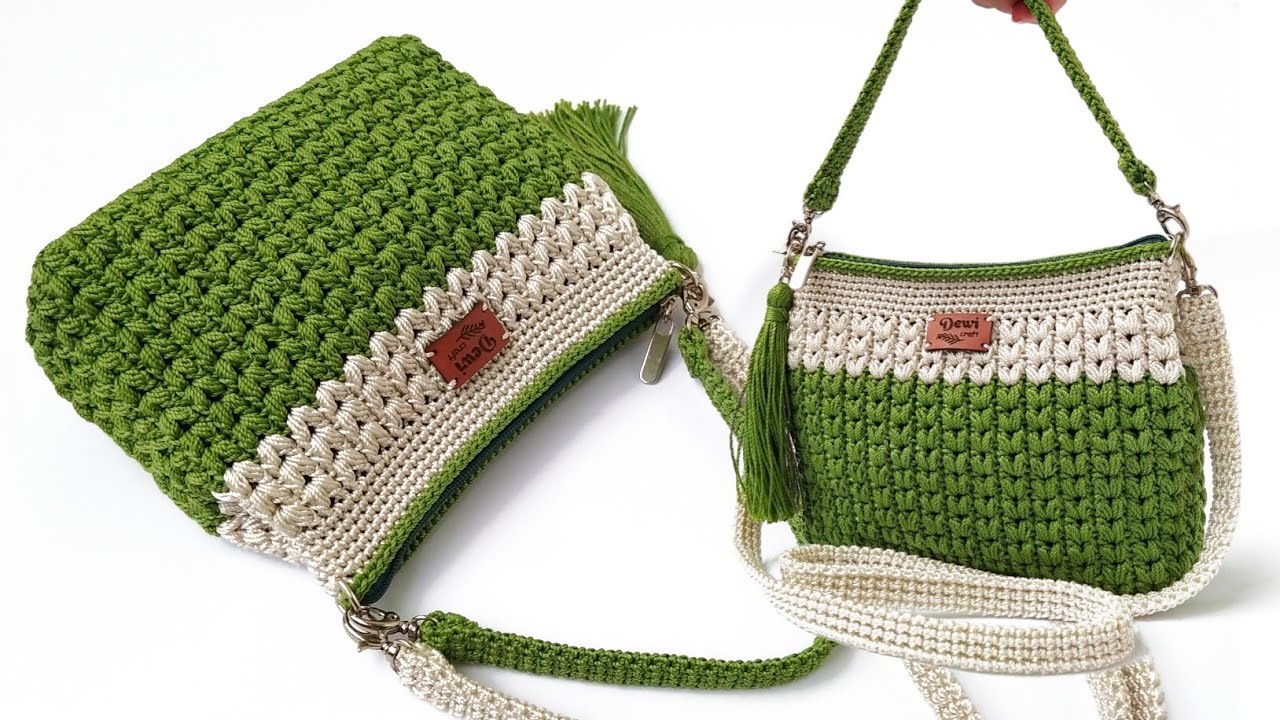
by Crochet is one of the most relaxing and rewarding crafts you can learn. With just a hook and some yarn, you can create beautiful handmade items such as scarves, blankets, bags, flowers, and home décor. If you’ve never held a crochet hook before, don’t worry—crochet is beginner-friendly, and you can start making real projects faster than you think.
This step-by-step guide is designed for absolute beginners, walking you through everything from choosing your tools to making your very first stitches. Take it slow, practice patiently, and enjoy the journey of learning crochet.
What Is Crochet?
Crochet is a craft where yarn is looped using a single hook to create fabric. Unlike knitting, which uses two needles, crochet uses one hook, making it easier for many beginners to control and understand.
Crochet allows you to:
- Create fabric in rows or rounds
- Easily fix mistakes
- Customize size, color, and texture
- Work at your own pace
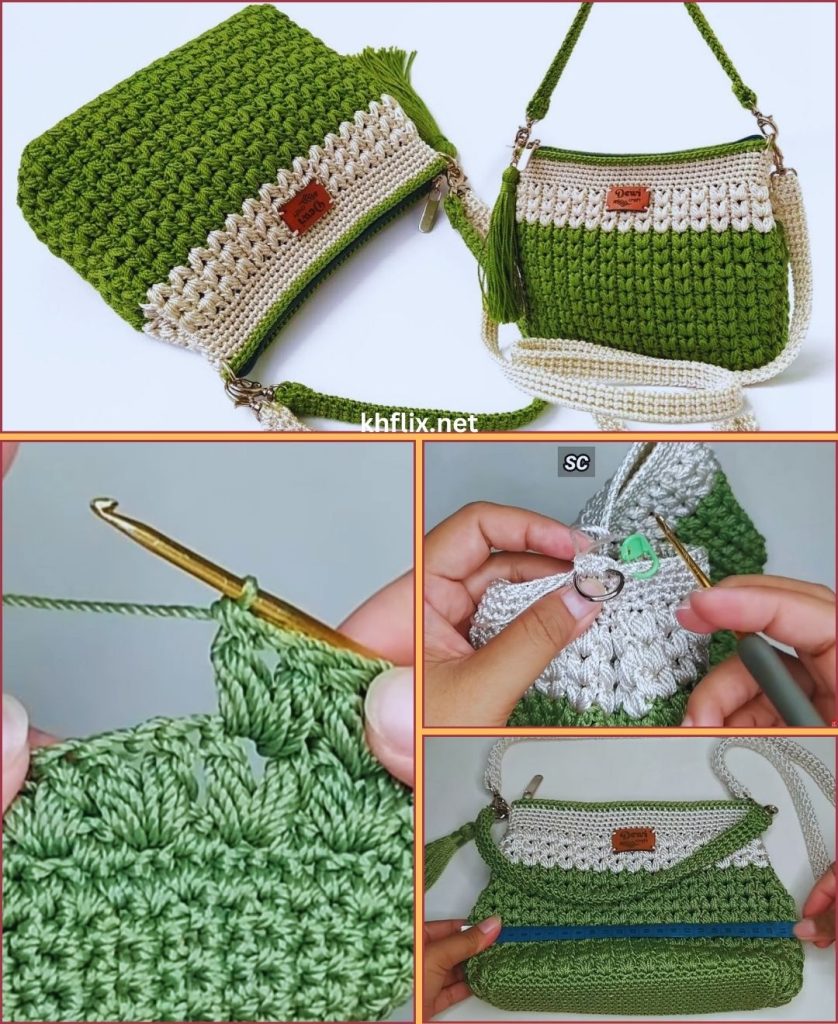
Supplies You Need to Start Crocheting
You don’t need expensive tools to begin.
Yarn
- Medium-weight yarn (labeled “4” on the yarn label)
- Smooth yarn in a light color (easier to see stitches)
- Acrylic or cotton yarn is best for beginners
Avoid fuzzy or dark yarn when starting out.
Crochet Hook
- Size 5.0 mm or 5.5 mm (H-8 or I-9)
- Aluminum or plastic hooks are easiest to use
The hook size should match the yarn label recommendation.
Other Helpful Tools
- Scissors
- Yarn needle (for weaving ends)
- Stitch markers (optional)
How to Hold the Crochet Hook
There is no “right” or “wrong” way—use what feels comfortable.
Common Methods
- Pencil grip: Hold the hook like a pencil
- Knife grip: Hold the hook like a knife
Try both and choose the one that feels natural.
Step 1: Make a Slip Knot
The slip knot is how you attach yarn to the hook.
- Create a loop with your yarn
- Pull a second loop through the first
- Place the loop on your hook
- Gently tighten
This is the starting point for all crochet projects.
Step 2: How to Chain (Foundation Chain)
The chain stitch is the base of most crochet projects.
- Hold the yarn (working yarn) in your non-hook hand
- Yarn over (wrap yarn around the hook)
- Pull yarn through the loop on the hook
Repeat to make a chain.
Tip: Don’t chain too tightly—keep stitches relaxed.
Step 3: Understanding Crochet Stitches
Each loop on your hook is called a stitch. When working into a chain:
- Insert your hook under the top loops of the chain
- Yarn over and pull through
- Complete the stitch as instructed
Always count your stitches to keep your work even.
Step 4: Single Crochet (Your First Real Stitch)
Single crochet is one of the most important beginner stitches.
- Insert hook into the chain
- Yarn over and pull up a loop (2 loops on hook)
- Yarn over again
- Pull through both loops
Congratulations—you’ve made a single crochet!
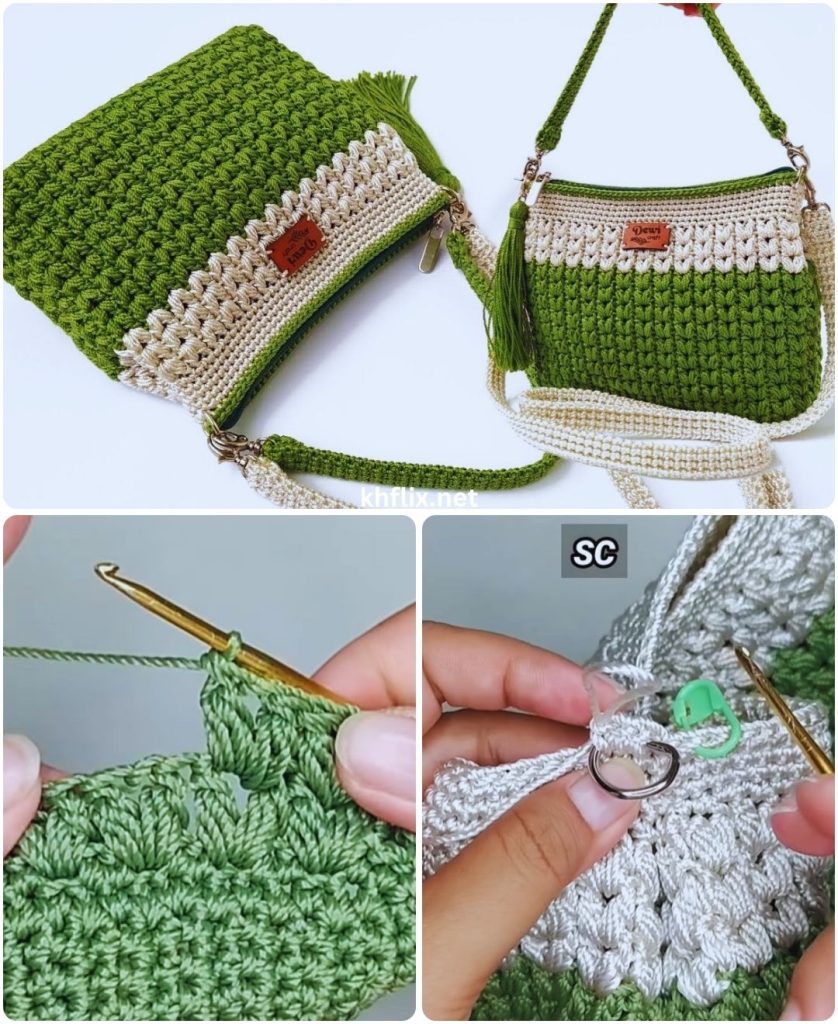
Step 5: Turning Your Work
At the end of a row:
- Chain 1 (this is called a turning chain)
- Turn your work like a page in a book
- Start the next row
Turning chains help maintain even edges.
Step 6: Half Double Crochet (Next Beginner Stitch)
- Yarn over
- Insert hook into stitch
- Yarn over and pull up a loop (3 loops on hook)
- Yarn over and pull through all loops
This stitch creates slightly taller fabric.
Step 7: Double Crochet
- Yarn over
- Insert hook into stitch
- Yarn over and pull up a loop (3 loops)
- Yarn over, pull through 2 loops
- Yarn over, pull through remaining 2 loops
Double crochet is commonly used in blankets and scarves.
Step 8: How to Finish Off
When you’re done:
- Cut yarn, leaving a tail
- Yarn over and pull tail through the loop
- Tighten gently
- Weave in ends using a yarn needle
Your piece is now secure.
Common Beginner Mistakes (and How to Fix Them)
- Stitches too tight → Relax your hands
- Uneven edges → Count stitches every row
- Missing stitches → Use stitch markers
- Twisted chains → Lay chain flat before starting
Mistakes are part of learning—don’t get discouraged.
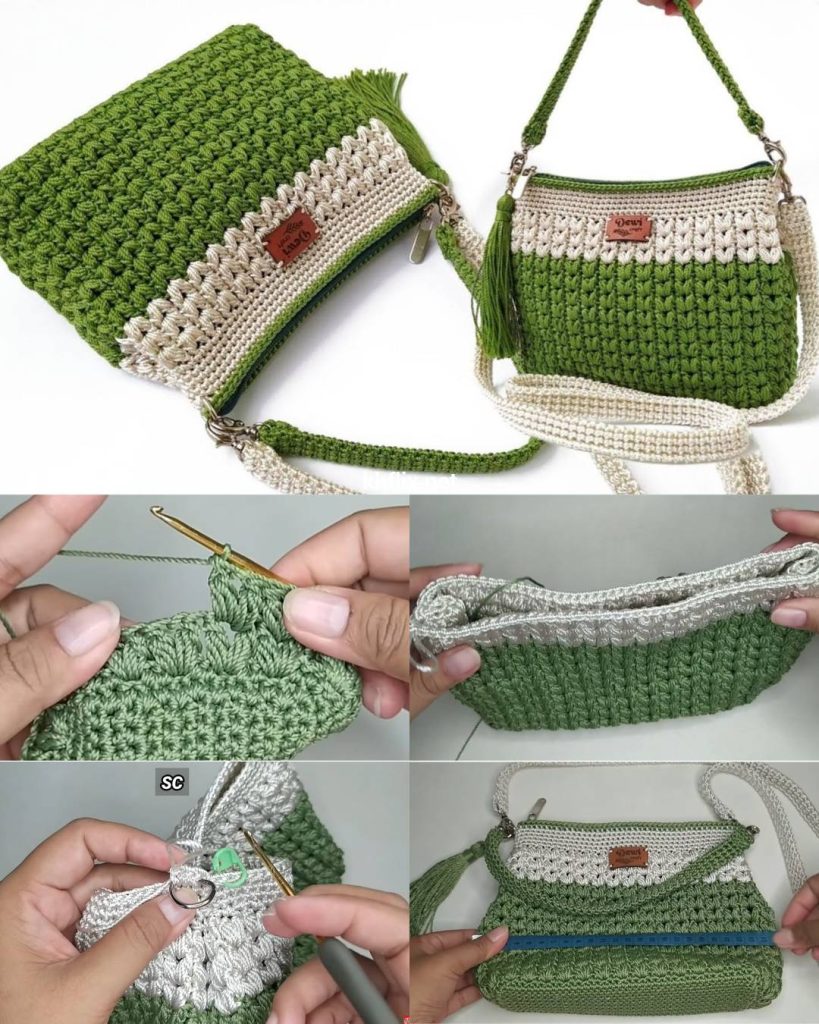
Easy Practice Projects for Beginners
Once you know basic stitches, try:
- Simple scarf
- Dishcloth
- Square coaster
- Granny square
These projects build confidence and muscle memory.
Helpful Crochet Tips for Beginners
- Practice 10–15 minutes daily
- Use light yarn to see stitches clearly
- Watch video tutorials alongside written guides
- Be patient with yourself
Crochet improves with time and repetition.
Why Crochet Is Worth Learning
Crochet is:
- Relaxing and stress-relieving
- Creative and customizable
- Affordable and portable
- A lifelong skill
Once you learn the basics, the possibilities are endless.
Final Thoughts
Learning how to crochet may feel challenging at first, but with patience and practice, it becomes second nature. This step-by-step crochet tutorial for absolute beginners gives you a strong foundation to build upon. Start simple, enjoy the process, and celebrate every stitch you make.
Before you know it, you’ll be creating beautiful handmade pieces with confidence and joy.
Happy crocheting 🧶✨
If you’d like, I can:
- Turn this into a printable beginner guide
- Create a project-based crochet lesson
- Add illustrated stitch explanations
- Rewrite it for kids or seniors
Just tell me what you need!